AI / INDIA / INSTAGRAM READING LIST
10 Indian AI Builders to Follow on Instagram
A practical Instagram reading list of Indian founders and makers building AI products, agents, and useful workflows—and sharing what they learn.
 Vamshi KrishnaOctober 16, 2026 6 min read

My most useful AI follows do more than announce a new model. They build products, show a workflow, explain a hard idea clearly, or share what happened after shipping. The best posts give you something to try in your own work.
Here are ten India-based Instagram accounts I would follow for that kind of learning. Aashish Pahwa was the starting point for this list. The others span AI products, engineering, agents, and business automation. This is a curated reading list, not a ranking by followers. The profile photos and post images below come from their public Instagram pages, which I checked in October 2026.
Follow the people doing the work.
Each profile gives you a different angle on AI. Open the linked product or company alongside the posts to see how the ideas hold up in practice.
AI products and the bigger shifts around them
Varun Mayya
@thevarunmayya on InstagramVarun builds through AEOS and talks frequently about AI, startups, and how new tools change creative and technical work. His feed is useful for seeing a founder connect product opportunities with shifts in the wider market.
What to study: Notice how he turns a new capability into a concrete product question, then check whether the use case is clear beyond the demo.
Explore AEOS Labs



Making AI useful inside companies
Gayatri Agrawal
@gayatri.tech on InstagramGayatri leads Altrd, which helps companies become AI-ready. Her posts make AI more approachable through examples, conversations, and demonstrations of what people can actually do with it.
What to study: Watch how she explains a tool through a task a person already understands, instead of starting with the model behind it.
Explore Altrd



Building AI agents and software with a team
Prithvi Raj Agrawal
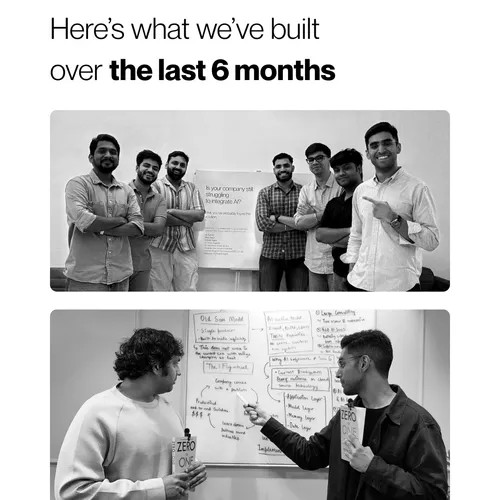
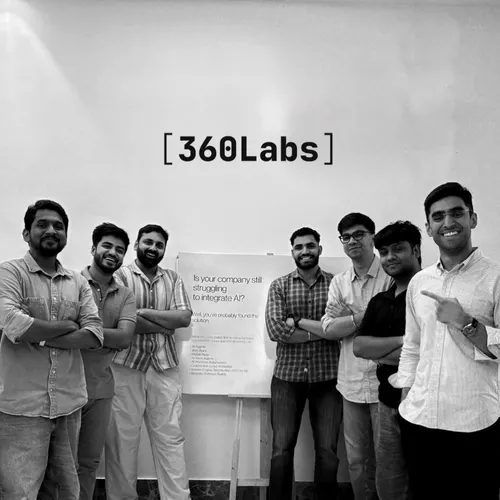
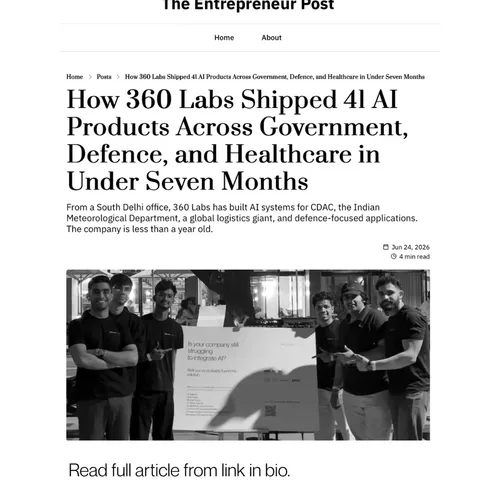
@prithvirajagarawal on InstagramPrithvi is building 360 Labs, an AI-focused engineering and consultancy team. His posts show the work of shaping custom AI projects and putting researchers and engineers around real business problems.
What to study: Look for the problem definition and integration work behind each agent. Those details decide whether a prototype becomes a usable system.
Explore 360 Labs
Hands-on agent workflows
Anmol Malik
@agenticanmol on InstagramAnmol shares practical AI-agent builds, including customer-support and appointment-booking workflows. He also links to Luke, his agent-focused product, from his profile.
What to study: Follow the complete workflow: inputs, tools, memory, handoff, and what happens when the agent cannot finish the task.
Explore Luke



Automating everyday business operations
Chandan Cheripally
@chandan_cheripally_ on InstagramChandan runs Repeatless Agency and posts about systems, AI tools, and automation for businesses. His examples are useful if you want to see where an AI workflow can save a team repetitive work.
What to study: Start with the manual process being replaced. Then ask which steps can be automated reliably and where a human should review the result.
Chandan's projects and links



AI product building with clear explanations
Aashish Pahwa
@okaashish on InstagramAashish founded Koso.ai and uses his feed to explain AI tools, concepts, and their human impact. His mix of product work and accessible teaching makes him a strong starting point for this list.
What to study: Notice how he gives a tool enough context to help you decide when to use it, rather than treating every launch as equally important.
Explore Koso.ai



Shipping small AI software products
Sanskar Tiwari
@sanskarr.tiwari on InstagramSanskar has built products including MagicSlides and shares lessons from building, marketing, and shipping software. His posts are especially useful when you want to move from an idea to a live first version.
What to study: Study how narrowly a first version is scoped, how quickly it reaches users, and what the next iteration responds to.
Sanskar's product portfolio



AI automation that removes repetitive tasks
Dainik Gohel
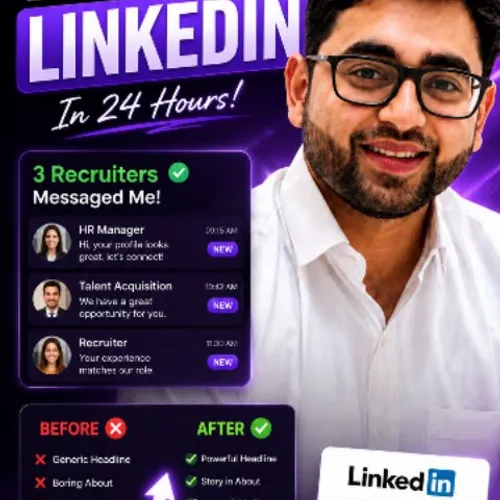
@dainikautomates on InstagramDainik builds AI automations and agent workflows for businesses. His feed leans into practical examples, from prospecting and outreach to using coding agents in a real workflow.
What to study: Separate the flashy demo from the repeatable process: what data goes in, what gets checked, and what measurable work gets saved?
Explore Dainik Automates


Custom AI agents for businesses
Aryaman Upmanyu
@aryamanupmanyu on InstagramAryaman is behind Lancemart AI and Haus of Intelligence. He regularly shows AI systems and agents being built around business use cases, which makes his feed useful for spotting practical applications.
What to study: Ask what business decision or action each agent improves, and whether the result needs a person to approve it.
Explore Lancemart AI


The engineering behind AI products
Piyush Garg
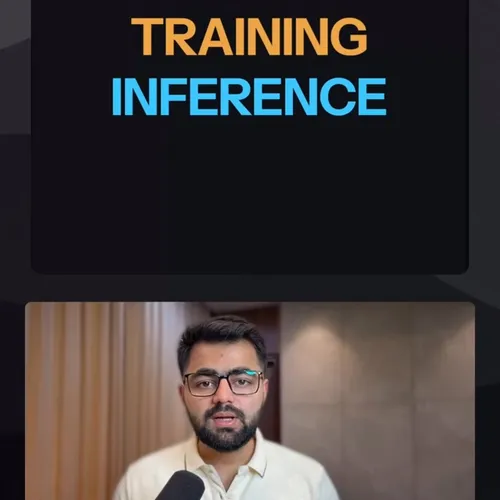
@piyushgarg.official on InstagramPiyush teaches software engineering and generative AI while building developer-focused products. His explanations help connect product ideas to implementation details such as models, inference, and application architecture.
What to study: Use his technical breakdowns to identify the smallest reliable architecture for your own AI feature.
Piyush's projects


Turn one post into a small experiment.
When a build catches your eye, save the insight and test it rather than just collecting another account.
- Name the job. What is the user trying to get done, and where does the current process hurt?
- Trace the workflow. What inputs, model, tools, checks, and human decisions make the result useful?
- Try the smallest version. Recreate one narrow step before building an entire AI product.
- Measure the outcome. Ask whether it saves time, improves quality, or helps someone make a better decision.
If you are starting today, pick one account that matches the work you want to do: Aashish for clear AI explanations, Sanskar for shipping software, or Anmol for agent workflows. Study one example and build your own small version.
Follow the builders. Then go make something useful.
Read the X builders list